
Introduction
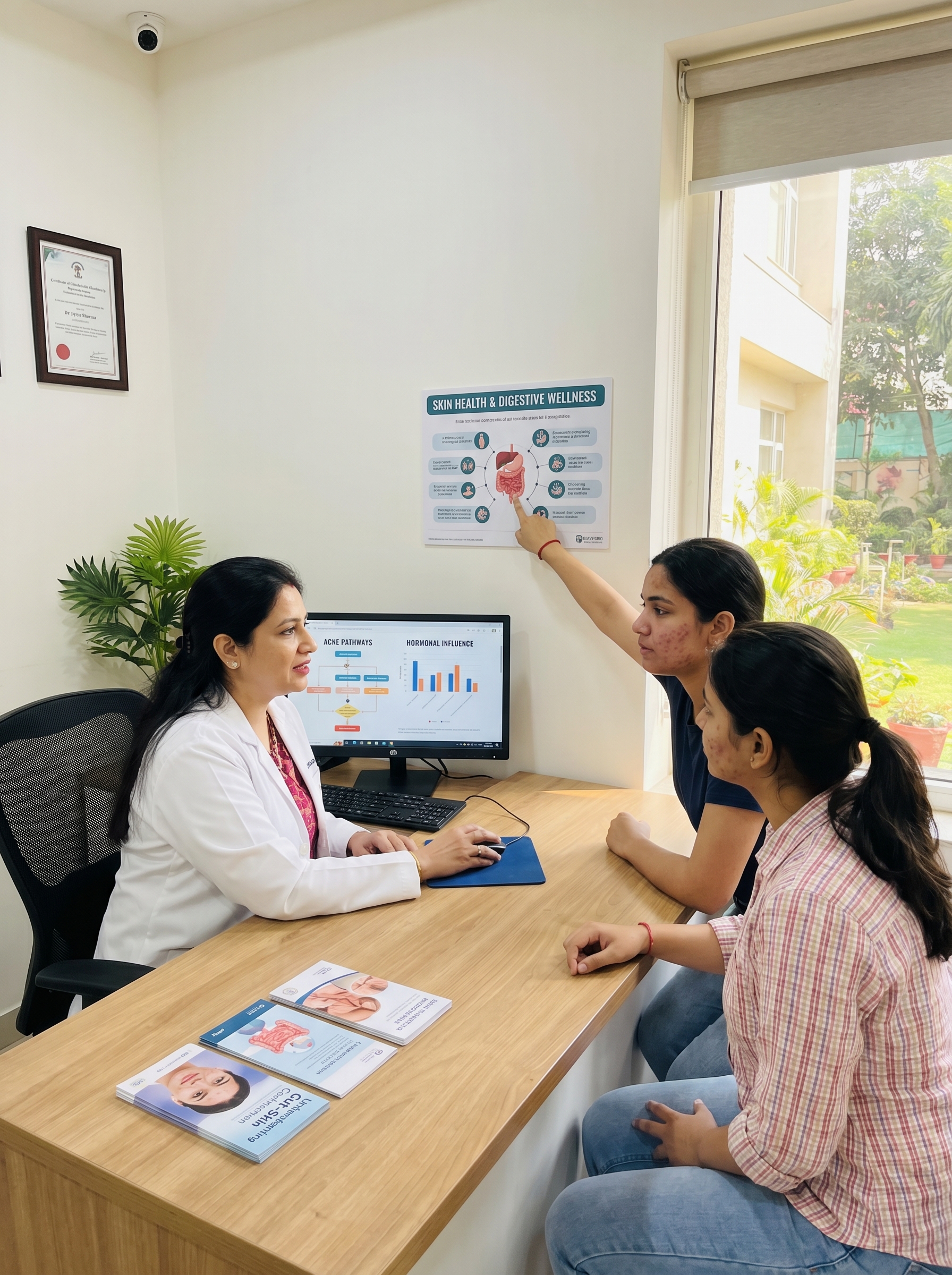
Many people consider skin problems to be only cosmetic concerns. However, the skin often acts as a mirror of the body’s internal health. Conditions such as acne, pigmentation, dryness, rashes, or unexplained itching may sometimes indicate underlying hormonal imbalance, digestive problems, nutritional deficiencies, or other medical conditions.
Ignoring recurring skin issues and relying only on temporary creams or home remedies may delay proper diagnosis. In many cases, understanding the root cause is important for long-term skin improvement and overall wellness.
At Noble Hospital Kundli, patients are encouraged to seek timely medical evaluation for persistent skin concerns so that both the visible symptoms and the underlying health conditions can be properly addressed.
How Skin Reflects Internal Health
The skin is the body’s largest organ and often responds to changes happening internally. Hormones, digestion, stress levels, immunity, hydration, and nutrition all influence skin health.
When the body experiences imbalance, the skin may show early warning signs such as:
- Frequent acne breakouts
- Sudden pigmentation
- Dry or flaky skin
- Excessive oiliness
- Hair fall
- Dark circles
- Skin allergies
- Redness or inflammation
- Unexplained itching
These symptoms may not always be purely dermatological problems.
Hormonal Imbalance and Skin Problems
Hormones play a major role in regulating oil production, skin texture, and inflammation. Even minor hormonal fluctuations can affect the skin significantly.
Common Hormonal Skin Symptoms
Acne and Pimples
Hormonal imbalance is one of the leading causes of adult acne, especially in teenagers and women.
Excessive Oiliness
Increased androgen activity can trigger excess oil production and clogged pores.
Pigmentation and Dark Patches
Hormonal changes may lead to uneven skin tone or melasma.
Hair Fall and Facial Hair Growth
Conditions like PCOS can affect both skin and hair health.
Can Digestion Problems Affect Skin Health?
Yes. Digestive health and skin health are closely connected. Poor digestion can affect nutrient absorption, increase inflammation, and impact the body’s detoxification process.
Signs That Digestive Problems May Affect the Skin
Frequent Acne Breakouts
Digestive imbalance may contribute to inflammation that appears on the skin.
Dull or Dehydrated Skin
Poor nutrient absorption can reduce skin nourishment.
Skin Allergies or Sensitivity
Food intolerances and gut imbalance may trigger skin irritation.
Chronic Inflammation
Digestive disorders can sometimes worsen conditions like eczema or rosacea.
Maintaining healthy digestion through balanced nutrition, hydration, and medical guidance may support healthier skin.
Common Internal Health Conditions Linked to Skin Issues
Several medical conditions may first appear through skin-related symptoms.
Thyroid Disorders
Thyroid imbalance may cause dry skin, hair thinning, and puffiness.
Diabetes
Diabetes can lead to itching, slow wound healing, and skin infections.
Nutritional Deficiencies
Low iron, vitamin deficiencies, or poor diet can affect skin texture and glow.
Stress and Sleep Disorders
Stress hormones can increase acne, sensitivity, and inflammation.
PCOS (Polycystic Ovary Syndrome)
PCOS commonly causes hormonal acne, pigmentation, and hair-related changes.
Why Early Diagnosis Matters
Many people continuously change skincare products without identifying the actual root cause of the problem. Temporary cosmetic solutions may provide short-term relief but not lasting improvement.
Seeking early medical consultation can help:
- Identify underlying hormonal imbalance
- Detect nutritional deficiencies
- Improve digestive health
- Prevent worsening skin conditions
- Reduce long-term skin damage
- Improve confidence and overall health
At Noble Hospital Kundli, multidisciplinary medical support helps patients receive comprehensive evaluation for recurring skin-related concerns.
When Should You Consult a Doctor for Skin Problems?
Some skin symptoms should not be ignored, especially if they persist or repeatedly return.
Warning Signs Include:
- Severe acne that does not improve
- Sudden pigmentation changes
- Persistent itching or redness
- Skin rashes with digestive symptoms
- Unexplained hair fall
- Dry skin despite skincare use
- Frequent skin infections
- Skin issues linked with irregular periods or fatigue
Medical evaluation can help determine whether the issue is related to hormones, digestion, immunity, or another underlying condition.
Healthy Habits That Support Better Skin
Improving internal health often supports healthier skin naturally.
Lifestyle Tips for Healthy Skin
Maintain Balanced Nutrition
Healthy eating supports both digestion and skin repair.
Drink Enough Water
Proper hydration helps maintain skin elasticity and detoxification.
Sleep Properly
Good sleep supports hormonal balance and skin recovery.
Manage Stress
Stress management can reduce inflammatory skin flare-ups.
Avoid Self-Medication
Using random creams or steroid-based products without guidance may worsen skin problems.
Importance of Holistic Skin Care
Skin health is not only about external products. A holistic approach that combines skincare, medical evaluation, nutrition, and lifestyle improvement often provides the best long-term results.
For many patients, treating the internal imbalance helps improve the skin naturally and reduces recurring problems.
Frequently Asked Questions (FAQs)
Can hormonal imbalance cause acne?
Yes. Hormonal changes are one of the most common causes of acne, especially among teenagers and women.
Can digestive issues affect skin health?
Yes. Poor digestion and gut imbalance can contribute to inflammation, breakouts, and skin sensitivity.
Should I see a doctor for recurring skin problems?
Persistent or worsening skin issues should always be evaluated medically to identify the underlying cause.
Can stress cause skin conditions?
Stress may trigger acne, allergies, itching, and inflammatory skin flare-ups.
Is skin dryness related to internal health?
Sometimes yes. Thyroid problems, dehydration, or nutritional deficiencies may contribute to dry skin.
Can improving diet help skin problems?
Balanced nutrition supports healthy digestion, immunity, and skin repair, which may improve skin quality over time.
Conclusion
Skin problems are sometimes more than surface-level concerns. Acne, pigmentation, dryness, itching, and recurring rashes may reflect deeper issues related to hormones, digestion, nutrition, or overall health.
Understanding the root cause is essential for long-term improvement and healthier skin. Early medical consultation and proper evaluation can help patients manage both internal health conditions and visible skin symptoms effectively.
Patients seeking trusted healthcare guidance for skin-related concerns can consult specialists at Noble Hospital Kundli for comprehensive medical support and patient-focused care.
Get Direction
Address:- Block-A, TDI, TDI City, Club Rd, Sector- 58, Kundli, Sonipat, Haryana 131030
Contact no:- +91 8397003030
Website:- https://www.noblehospitalkundli.com/
Leave a Reply