
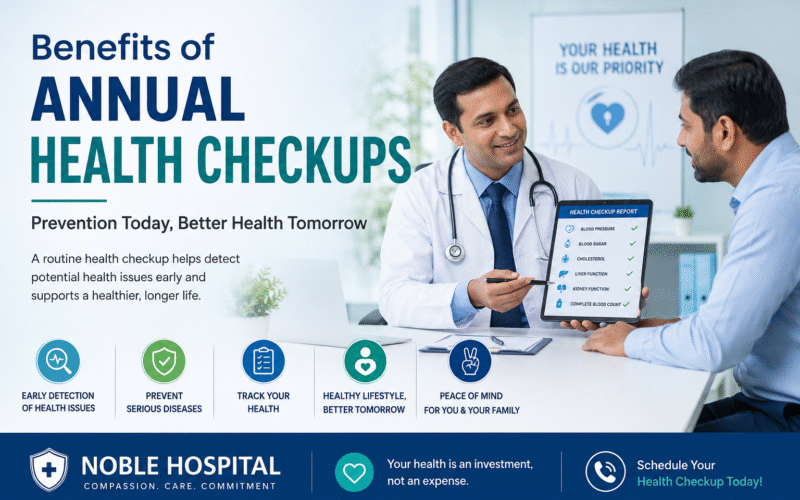
Regular healthcare is not only about treating illness when symptoms appear. Annual health checkups are an important part of preventive healthcare, helping you understand your current health, identify potential risks early, and make informed lifestyle choices.
Many health conditions can develop silently without obvious symptoms. A routine health checkup can help detect these concerns before they become more serious.
What Is an Annual Health Checkup?
An annual health checkup is a routine medical evaluation designed to assess your overall health. Depending on your age, medical history, lifestyle, and risk factors, your doctor may recommend different examinations and tests.
A typical checkup may include:
- Blood pressure measurement
- Blood sugar testing
- Cholesterol and lipid profile
- Complete blood count
- Liver and kidney function tests
- Weight and BMI assessment
- General physical examination
- ECG or other tests when clinically appropriate
Your doctor can recommend additional tests based on your individual health needs.
Benefits of Annual Health Checkups
1. Helps Detect Health Problems Early
Some conditions, including high blood pressure, diabetes, high cholesterol, and certain organ-related problems, may not cause noticeable symptoms in their early stages.
Regular checkups can help identify abnormal results early, allowing timely medical evaluation and management.
2. Helps You Understand Your Health
A checkup provides an overall picture of your health. Tracking measurements such as blood pressure, blood sugar, cholesterol, and weight over time can help you and your doctor understand changes in your health.
3. Supports Preventive Healthcare
Prevention is an important part of staying healthy. During a routine visit, your doctor can discuss nutrition, physical activity, sleep, stress management, vaccinations, and other preventive measures suited to your needs.
4. Identifies Risk Factors
Family history, age, lifestyle, obesity, smoking, sedentary habits, and other factors can increase the risk of certain diseases.
Regular health assessments can help identify these risk factors and encourage appropriate lifestyle changes or further evaluation.
5. Encourages Healthy Lifestyle Choices
Knowing your health numbers can motivate you to make positive changes. Your doctor can guide you on improving your diet, increasing physical activity, maintaining a healthy weight, and managing other lifestyle factors.
6. Provides Peace of Mind
A routine health assessment can reassure you about your current health and help you stay aware of changes that may require attention.
Who Should Get an Annual Health Checkup?
Adults can benefit from regular preventive healthcare, but the frequency and type of checkup may vary. Your healthcare needs depend on factors such as:
- Age
- Family medical history
- Existing health conditions
- Lifestyle and occupation
- Smoking or alcohol use
- Weight and physical activity
- Previous test results
Your doctor can recommend a suitable checkup schedule based on your individual risk profile.
Don’t Wait for Symptoms
One of the biggest advantages of preventive healthcare is that you do not have to wait until something feels wrong. A person can feel healthy while certain health parameters are already outside the normal range.
Regular checkups provide an opportunity to identify concerns early and take appropriate action.
Make Preventive Healthcare a Priority
Your health deserves regular attention—not just when you are unwell. An annual health checkup can help you stay informed, identify potential risks, and take timely steps toward better health.
Noble Hospital is committed to supporting patients through comprehensive healthcare and preventive health services. Talk to your doctor about which routine health assessments are appropriate for you.
Final Takeaway
Annual health checkups are an investment in your long-term well-being. Early awareness, preventive care, and healthy lifestyle choices can make a meaningful difference in maintaining good health.
Schedule your routine health checkup and make prevention a part of your healthcare routine.
Leave a Reply