
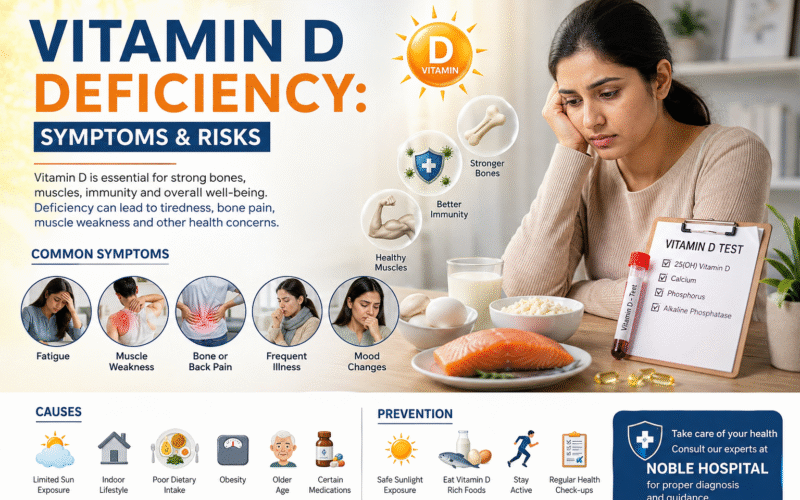
Vitamin D Deficiency: Symptoms & Risks
Vitamin D plays an important role in maintaining strong bones, supporting muscles, and helping the immune system function properly. Despite its importance, vitamin D deficiency is common and can affect people of different ages.
Many people with low vitamin D levels may not notice clear symptoms at first. When deficiency becomes more significant, however, it may contribute to tiredness, muscle weakness, bone discomfort, and other health concerns.
Understanding the symptoms and risks of vitamin D deficiency can help you recognize the condition early and seek appropriate medical advice.
What Is Vitamin D Deficiency?
Vitamin D deficiency occurs when the body does not have enough vitamin D to support its normal functions. Vitamin D helps the body absorb calcium, which is essential for maintaining healthy bones and teeth.
Vitamin D is obtained through sunlight exposure, certain foods, and supplements when recommended by a healthcare professional.
Common Symptoms of Vitamin D Deficiency
Symptoms can vary from person to person and may sometimes be subtle. Common signs include:
1. Persistent Fatigue
Feeling unusually tired or lacking energy, even after adequate rest, may occur with low vitamin D levels. However, fatigue can have many other causes, so it should not automatically be attributed to vitamin D deficiency.
2. Muscle Weakness
Low vitamin D levels may affect muscle function and contribute to weakness or reduced physical performance.
3. Bone or Back Discomfort
Vitamin D is important for bone health. Deficiency may be associated with bone discomfort or pain, particularly when it is prolonged or severe.
4. Frequent Illness
Vitamin D contributes to normal immune function. People with inadequate levels may experience health issues more frequently, although vitamin D deficiency is only one possible factor.
5. Mood Changes
Some people with low vitamin D levels report mood changes or low mood. However, mood symptoms can have many causes and should be evaluated appropriately.
6. Slow Recovery from Muscle or Bone Problems
Inadequate vitamin D can affect bone and muscle health and may contribute to difficulty maintaining normal physical strength.
Who Is More at Risk?
Certain factors can increase the likelihood of vitamin D deficiency, including:
- Limited exposure to sunlight
- Spending most of the day indoors
- Older age
- Darker skin pigmentation
- Certain digestive conditions that affect nutrient absorption
- Obesity
- Certain medical conditions affecting the liver or kidneys
- Diets lacking vitamin D-rich foods
- Certain medications that affect vitamin D metabolism
Health Risks of Vitamin D Deficiency
If deficiency remains untreated for a long time, it can affect bone and muscle health.
Weak Bones
Vitamin D helps the body absorb calcium. Persistent deficiency can contribute to reduced bone mineralization and weaker bones.
Osteomalacia in Adults
Severe vitamin D deficiency in adults can cause osteomalacia, a condition in which bones become softer and may cause bone pain and muscle weakness.
Rickets in Children
In children, severe vitamin D deficiency can interfere with normal bone development and may lead to rickets.
Increased Risk of Falls
Muscle weakness associated with low vitamin D levels may contribute to mobility difficulties and an increased risk of falls, particularly in older adults.
How Is Vitamin D Deficiency Diagnosed?
Symptoms alone cannot confirm vitamin D deficiency because they can overlap with many other health conditions.
A healthcare professional may recommend a blood test, commonly measuring 25-hydroxyvitamin D [25(OH)D], when vitamin D deficiency is suspected or when a person has risk factors.
Your doctor can interpret the result according to your individual health status and determine whether treatment or further evaluation is appropriate.
How Can You Maintain Healthy Vitamin D Levels?
Maintaining adequate vitamin D generally involves a combination of healthy lifestyle habits and medical guidance when needed.
- Get appropriate sunlight exposure while following sun-safety practices.
- Include vitamin D-containing foods in your diet, such as fortified foods, eggs, and fatty fish where appropriate.
- Maintain a balanced diet that supports overall bone health.
- Stay physically active to support muscles and bones.
- If your doctor identifies a deficiency, take vitamin D supplements only according to the recommended dose.
Avoid taking high-dose vitamin D supplements on your own. Excessive vitamin D can also cause health problems.
When Should You See a Doctor?
If you experience persistent fatigue, unexplained muscle weakness, recurring bone discomfort, or have risk factors for vitamin D deficiency, consider discussing your symptoms with a healthcare professional.
A doctor can assess your symptoms, medical history, diet, lifestyle, and other possible causes before recommending appropriate tests or treatment.
Take Care of Your Health with Noble Hospital
Vitamin D is an important part of maintaining healthy bones, muscles, and overall well-being. Recognizing possible symptoms early and getting appropriate medical guidance can help prevent complications associated with prolonged deficiency.
At Noble Hospital, patients can seek professional medical evaluation and personalized guidance for nutritional concerns and other health conditions. If you are concerned about vitamin D deficiency or persistent symptoms, consult a qualified healthcare professional rather than relying on self-diagnosis.
Frequently Asked Questions
1. What is the most common symptom of vitamin D deficiency?
Symptoms vary, but fatigue, muscle weakness, and bone discomfort are commonly reported. Some people may have no obvious symptoms.
2. Can vitamin D deficiency cause tiredness?
Low vitamin D levels may be associated with fatigue, but tiredness can have many causes. Persistent fatigue should be medically evaluated.
3. How is vitamin D deficiency confirmed?
A blood test measuring 25-hydroxyvitamin D is commonly used to assess vitamin D status.
4. Can I take vitamin D supplements without a test?
It is best to discuss supplementation with a healthcare professional, especially if you are considering high doses or long-term use.
5. Is sunlight enough to prevent vitamin D deficiency?
Sunlight contributes to vitamin D production, but the amount produced varies depending on factors such as skin pigmentation, season, location, clothing, and lifestyle. Some people may need dietary sources or supplements based on medical advice.
Leave a Reply