
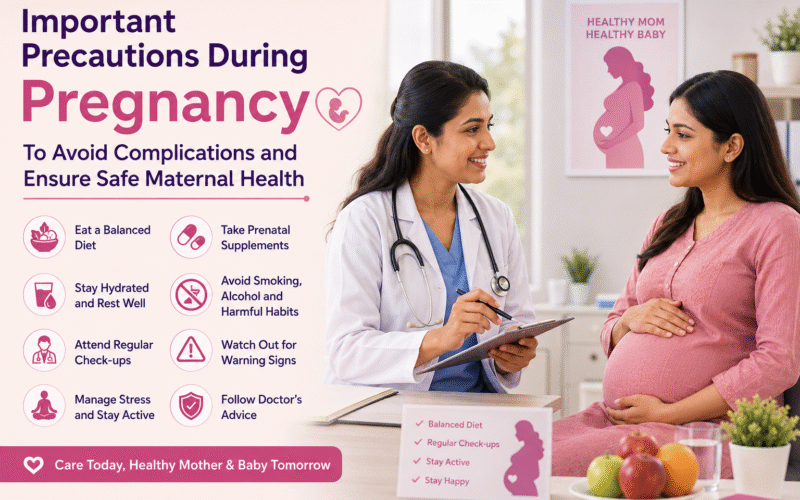
Pregnancy is one of the most beautiful phases of a woman’s life, but it also comes with significant responsibilities. Following the important precautions during pregnancy can help reduce the risk of complications and ensure safe maternal health for both the mother and the baby. Regular medical check-ups, a healthy lifestyle, balanced nutrition, and timely medical care play a vital role in a healthy pregnancy journey.
If you are expecting, understanding these pregnancy precautions will help you enjoy a safer and healthier experience.
Why Are Important Precautions During Pregnancy Necessary?
Every pregnancy is unique. While many women experience healthy pregnancies, some may develop complications such as:
- Gestational diabetes
- High blood pressure (Preeclampsia)
- Anemia
- Preterm labor
- Miscarriage
- Low birth weight
- Pregnancy-related infections
Following recommended pregnancy precautions significantly lowers these risks and supports safe maternal health.
Nutrition is one of the most important aspects of pregnancy.
Nutrition is one of the most important aspects of pregnancy.
A healthy pregnancy diet should include:
- Fresh fruits
- Green leafy vegetables
- Whole grains
- Milk and dairy products
- Lean proteins
- Eggs (if advised)
- Fish low in mercury
- Dry fruits and nuts
What Foods Should Pregnant Women Avoid?
Avoid:
- Raw or undercooked meat
- Unpasteurized dairy products
- Excess caffeine
- Alcohol
- Smoking
- Tobacco products
- Packaged junk food
- Excess sugar
A balanced diet supports healthy fetal development and helps maintain maternal health.
Take Prenatal Vitamins Regularly
Doctors usually prescribe:
- Folic Acid
- Iron Supplements
- Calcium
- Vitamin D
- Vitamin B12 (if required)
These supplements help prevent birth defects, anemia, and weak bones while supporting your baby’s growth.
Never take medicines or supplements without consulting your doctor.
Never Skip Antenatal Check-ups
Regular pregnancy check-ups help monitor:
- Baby’s growth
- Mother’s blood pressure
- Blood sugar levels
- Baby’s heartbeat
- Ultrasound reports
- Weight gain
- Blood tests
- Urine tests
Early detection of complications improves treatment outcomes and ensures safe maternal health.
Stay Physically Active
Unless your doctor advises otherwise, moderate physical activity is beneficial.
Safe pregnancy exercises include:
- Walking
- Prenatal yoga
- Stretching
- Breathing exercises
- Light pelvic exercises
Exercise helps:
- Improve circulation
- Reduce back pain
- Control weight
- Improve sleep
- Reduce stress
- Prepare the body for labor
Always consult your healthcare provider before starting an exercise routine.
Stay Hydrated
Drink at least 8–10 glasses of water daily.
Proper hydration helps:
- Prevent constipation
- Reduce urinary infections
- Maintain amniotic fluid
- Improve blood circulation
- Prevent dehydration
Fresh coconut water and homemade fruit juices (without excess sugar) can also help maintain hydration.
Get Enough Rest and Sleep
Pregnant women need approximately 7–9 hours of sleep every night.
Good sleep helps:
- Improve immunity
- Reduce stress
- Lower blood pressure
- Support baby’s healthy development
Sleeping on the left side is generally recommended during later stages of pregnancy to improve blood flow.
Avoid Stress and Anxiety
Emotional health is equally important.
Ways to reduce stress include:
- Meditation
- Deep breathing
- Listening to music
- Reading books
- Talking to loved ones
- Joining prenatal classes
If anxiety becomes severe, seek professional medical advice.
Maintain Personal Hygiene
Good hygiene reduces the risk of infections.
Follow these simple habits:
- Wash hands frequently
- Maintain intimate hygiene
- Wear clean cotton clothing
- Brush teeth twice daily
- Take regular baths
- Avoid sharing personal items
Avoid Harmful Habits
For safe maternal health, completely avoid:
- Smoking
- Alcohol
- Recreational drugs
- Self-medication
- Exposure to harmful chemicals
- Second-hand smoke
These can increase the risk of miscarriage, premature birth, and birth defects.
Monitor Weight Gain
Healthy weight gain varies depending on your pre-pregnancy Body Mass Index (BMI).
Both excessive and inadequate weight gain can increase pregnancy-related complications.
Your doctor will recommend the ideal weight gain for your pregnancy.
Know the Warning Signs
Seek immediate medical attention if you experience:
- Heavy vaginal bleeding
- Severe abdominal pain
- High fever
- Persistent vomiting
- Severe headache
- Blurred vision
- Swelling of face or hands
- Reduced fetal movements
- Leakage of amniotic fluid
- Difficulty breathing
Prompt medical care can prevent serious complications.
Get Recommended Vaccinations
Your doctor may recommend vaccines such as:
- Tetanus (TT)
- Tdap
- Influenza
- COVID-19 (as recommended)
Vaccination helps protect both the mother and the newborn from preventable infections.
Attend Childbirth Education Classes
Prenatal classes help mothers understand:
- Labor stages
- Pain management
- Breastfeeding
- Newborn care
- Postpartum recovery
They also reduce fear and improve confidence before delivery.
Choose the Right Maternity Hospital
Selecting a trusted healthcare facility is essential for safe maternal health.
Look for:
- Experienced obstetricians and gynecologists
- Advanced labor and delivery facilities
- 24/7 emergency care
- Neonatal Intensive Care Unit (NICU)
- High-risk pregnancy management
- Comprehensive maternity services
Choosing the right hospital ensures timely medical intervention if complications arise.
Nutrition is one of the most important aspects of pregnancy.
Routine prenatal care allows doctors to:
- Detect complications early
- Monitor baby’s development
- Manage maternal health conditions
- Provide nutritional guidance
- Plan a safe delivery
Consistent prenatal care greatly improves pregnancy outcomes for both mother and baby.
Conclusion
Following the important precautions during pregnancy is the foundation of a healthy pregnancy and safe maternal health. Eating nutritious food, attending regular prenatal check-ups, staying active, managing stress, maintaining hygiene, and avoiding harmful habits can significantly reduce pregnancy-related complications.
Every pregnancy is different, so always follow your obstetrician’s advice and never ignore warning signs. With proper care and expert medical guidance, you can enjoy a safer pregnancy and welcome a healthy baby.
Leave a Reply