
When a doctor recommends surgery, one of the first thoughts patients have is:
“Is it safe?”
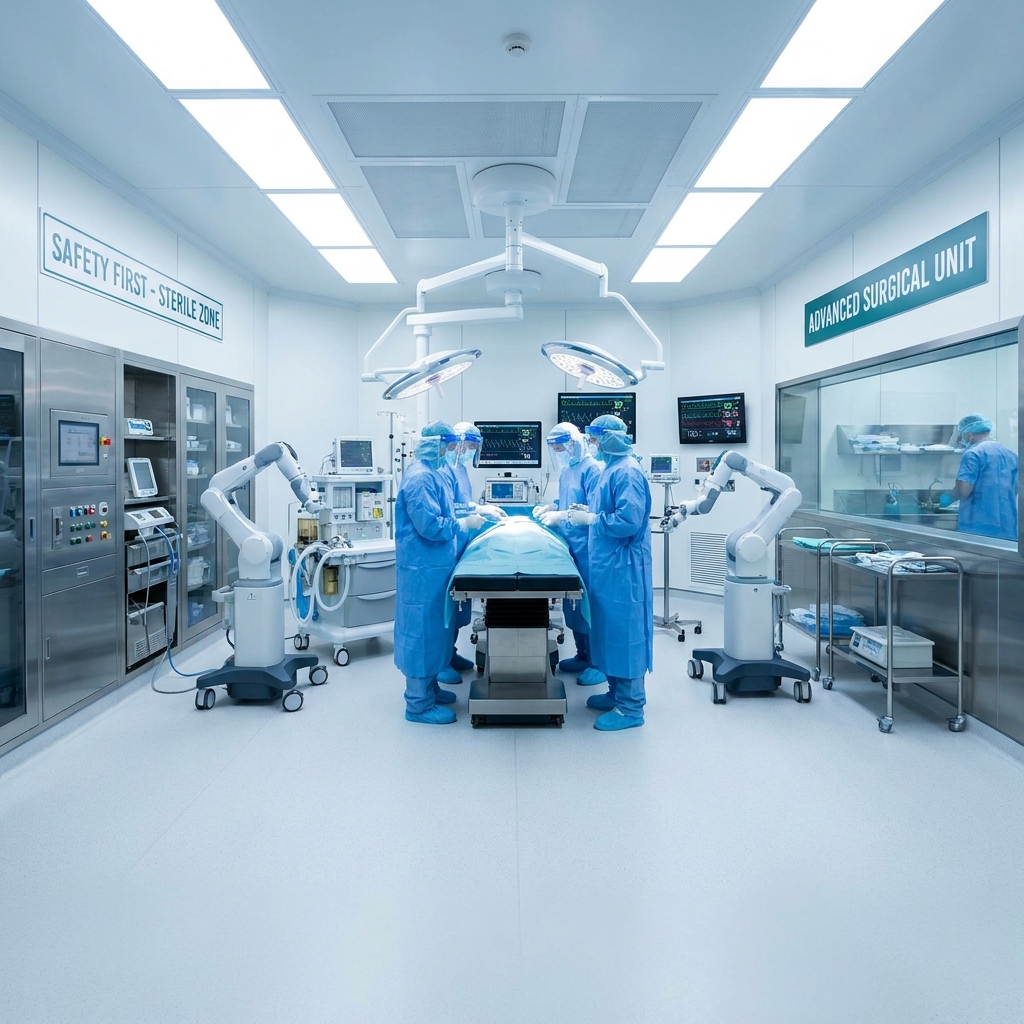
What most people don’t see is the extensive system working silently behind the scenes inside an operation theatre. From strict sterilization protocols to advanced infection control systems, modern hospitals follow rigorous operation theatre safety standards to protect every patient.
In this guide, we’ll take you inside the operation theatre and explain — in simple, clear terms — how hospitals maintain safety, hygiene, and precision during surgical procedures.
🔍 What Are Operation Theatre Safety Standards?
Operation theatre safety standards refer to a set of strict medical protocols, hygiene practices, and equipment guidelines designed to ensure:
- Patient safety during surgery
- Prevention of infections
- Sterile surgical environment
- Accurate and error-free procedures
These standards are not optional — they are essential to delivering safe and successful surgical outcomes.
🛡️ Why Operation Theatre Safety Standards Matter for Patients
For patients and families, understanding operation theatre safety standards can reduce anxiety and build confidence before surgery.
Here’s why they are critical:
- Prevent post-surgical infections
- Ensure clean and sterile surroundings
- Reduce surgical complications
- Improve recovery outcomes
- Protect both patients and medical staff
A hospital that strictly follows OT safety protocols demonstrates its commitment to patient care and quality healthcare.
🧼 Sterile Operation Theatre: The First Line of Defense
❓ What makes an operation theatre sterile?
A sterile operation theatre is designed to eliminate bacteria, viruses, and contaminants.
Key elements include:
- HEPA-filtered air systems to purify air
- Positive air pressure to keep contaminated air out
- Regular fumigation and deep cleaning
- Strict entry restrictions
Everything inside the OT — from instruments to surfaces — is disinfected according to hospital hygiene standards.
🔬 OT Safety Protocols Followed Before Surgery
❓ What happens before a surgery begins?
Before any procedure, hospitals follow detailed OT safety protocols to prepare both the patient and the environment.
Pre-surgery safety steps include:
- Patient identity verification
- Surgical site marking
- Sterilization of instruments
- Medical team briefings (surgical checklist)
- Proper patient preparation and hygiene
These surgical safety guidelines ensure there is no room for error.
🧑⚕️ Role of Medical Staff in Maintaining Safety
❓ How do doctors and staff ensure safety inside the OT?
Highly trained professionals play a critical role in maintaining operation theatre safety standards.
Safety practices followed by staff:
- Wearing sterile gowns, gloves, and masks
- Following hand hygiene protocols
- Using sterilized surgical tools only
- Maintaining minimal movement inside OT
- Continuous monitoring during surgery
Every action is guided by strict infection control in hospitals protocols.
🦠 Infection Control in Hospitals: Zero Compromise Policy
❓ How do hospitals prevent infections during surgery?
Infection control in hospitals is one of the most critical aspects of OT safety.
Measures include:
- Use of disposable surgical supplies where required
- Advanced sterilization equipment (autoclaves)
- Regular microbiological monitoring
- Isolation protocols for high-risk cases
- Controlled OT traffic to reduce contamination
Hospitals that prioritize hospital hygiene standards significantly lower the risk of surgical infections.
⚙️ Advanced Equipment & Technology in Operation Theatres
❓ Does technology improve surgical safety?
Absolutely. Modern operation theatres are equipped with advanced systems that enhance operation theatre safety standards.
Common technologies include:
- Laminar airflow systems
- Surgical monitoring devices
- High-precision surgical tools
- Real-time patient monitoring systems
These innovations help ensure accuracy, safety, and better outcomes.
📋 Surgical Safety Checklist: A Life-Saving System
❓ What is a surgical safety checklist?
A surgical safety checklist is a standardized process followed before, during, and after surgery.
It includes:
- Confirming patient identity
- Verifying surgical procedure
- Checking equipment readiness
- Ensuring sterile conditions
- Monitoring patient vitals
These surgical safety guidelines reduce human error and improve patient safety.
🏥 How to Identify a Hospital with High OT Safety Standards
❓ What should patients look for?
If you’re planning surgery, choose a hospital that clearly follows operation theatre safety standards.
Look for:
- Clean and well-maintained infrastructure
- Transparent hygiene practices
- Qualified and experienced surgical team
- Advanced OT technology
- Strong reputation for patient safety
Hospitals in Kundli and Sonipat that emphasize sterile operation theatre environments and strict OT safety protocols are more likely to deliver safe surgical outcomes.
❤️ Building Patient Trust Through Safety
A well-maintained operation theatre is not just about equipment — it reflects the hospital’s commitment to patient care.
When hospitals follow strict operation theatre safety standards, they:
- Build patient confidence
- Ensure smoother recovery
- Reduce risks and complications
- Deliver reliable healthcare outcomes
For patients and families, this assurance makes all the difference.
📞 Ready to Take the Next Step?
If you or your loved one is preparing for surgery, choosing a hospital that prioritizes operation theatre safety standards is essential.
👉 Visit a trusted hospital in Kundli or Sonipat
👉 Speak with specialists
👉 Understand their OT safety protocols
A safe surgery begins with the right environment.
❓ FAQs: Operation Theatre Safety Standards
❓ What are operation theatre safety standards?
They are strict medical protocols and hygiene practices followed to ensure patient safety during surgery.
❓ How is a sterile operation theatre maintained?
Through air filtration systems, sterilized instruments, controlled access, and regular cleaning procedures.
❓ Why are OT safety protocols important?
They prevent infections, reduce complications, and ensure smooth surgical outcomes.
❓ What role does infection control play in hospitals?
It minimizes the risk of contamination and ensures patient safety during and after surgery.
❓ How can I choose a safe hospital for surgery?
Look for hospitals with strong hygiene practices, experienced doctors, and advanced OT facilities.
Leave a Reply