
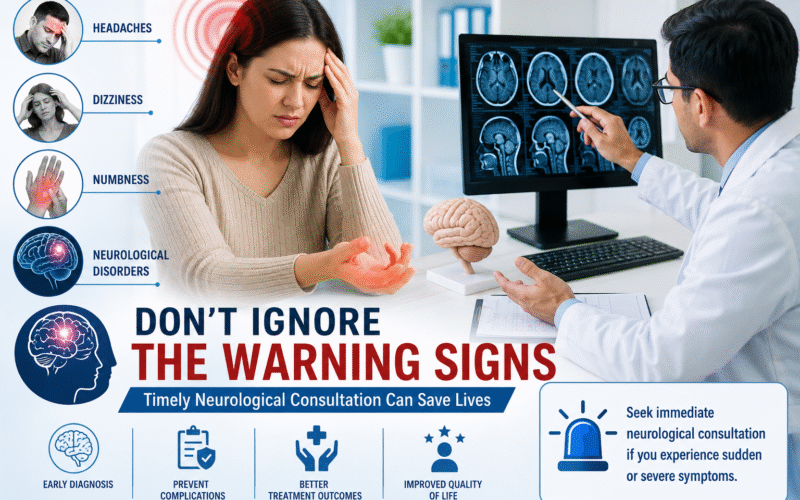
Many people experience headaches, dizziness, or numbness at some point in their lives. While these symptoms are often caused by common conditions such as dehydration, stress, or fatigue, they can sometimes signal a serious neurological disorder. Recognizing when these warning signs require an immediate neurological consultation can make a significant difference in diagnosis, treatment, and long-term health outcomes.
If these symptoms appear suddenly, worsen over time, or are accompanied by weakness, confusion, difficulty speaking, or loss of balance, seeking prompt medical attention is essential.
Why Neurological Symptoms Should Never Be Ignored
The nervous system controls nearly every function in the body. Problems affecting the brain, spinal cord, or nerves may initially present with subtle symptoms before progressing into more serious complications.
Early neurological consultation helps identify the underlying cause and allows treatment before permanent damage occurs.
Common neurological conditions include:
- Stroke
- Migraine disorders
- Epilepsy
- Brain tumors
- Multiple sclerosis
- Peripheral neuropathy
- Parkinson’s disease
- Cervical spine disorders
What Types of Headaches Require Immediate Neurological Consultation?
Is a Sudden Severe Headache Dangerous?
A sudden, intense headache—often described as the “worst headache of your life”—may indicate bleeding in the brain or another medical emergency.
Seek immediate medical care if the headache is associated with:
- Sudden onset
- Vision changes
- Loss of consciousness
- Confusion
- Seizures
- Neck stiffness
- Persistent vomiting
When Are Frequent Headaches a Concern?
Recurring headaches that increase in severity or frequency deserve evaluation by a neurologist, especially when medications no longer provide relief.
Why Does Dizziness Sometimes Indicate a Neurological Problem?
Dizziness can result from inner ear disorders, but neurological conditions may also be responsible.
When Should Dizziness Be Evaluated?
Immediate neurological consultation is recommended if dizziness occurs with:
- Difficulty walking
- Slurred speech
- Double vision
- Sudden weakness
- Loss of coordination
- Facial drooping
- Severe headache
These symptoms could indicate a stroke or another neurological emergency.
What Does Numbness Mean?
Numbness or tingling occurs when nerves are irritated, compressed, or damaged.
When Is Numbness a Medical Emergency?
Seek urgent medical attention if numbness:
- Appears suddenly
- Affects one side of the body
- Is accompanied by weakness
- Involves difficulty speaking
- Spreads rapidly
- Occurs after a head injury
Persistent numbness may also indicate nerve compression, diabetes-related neuropathy, spinal disorders, or multiple sclerosis.
Other Warning Signs That Require Immediate Neurological Consultation
Could Memory Changes Be Related to Neurological Disease?
Sudden confusion, memory loss, or personality changes may signal serious brain disorders.
Are Seizures Always an Emergency?
A first-time seizure should always be evaluated promptly by a neurologist.
Can Vision Problems Be Neurological?
Blurred vision, double vision, or temporary vision loss may be caused by neurological conditions affecting the brain or optic nerves.
Is Sudden Weakness a Warning Sign?
Weakness affecting the face, arm, or leg—particularly on one side—is one of the most important warning signs of stroke.
How Neurologists Diagnose These Symptoms
During a neurological consultation, your healthcare provider may recommend:
- Neurological examination
- MRI scan
- CT scan
- EEG
- EMG and nerve conduction studies
- Blood tests
- Lumbar puncture (when indicated)
The evaluation depends on your symptoms, medical history, and examination findings.
Benefits of Early Neurological Consultation
Early diagnosis offers several advantages:
- Faster treatment
- Prevention of complications
- Better recovery outcomes
- Improved quality of life
- Reduced risk of permanent neurological damage
Timely medical attention can be life-saving in emergencies such as stroke.
Tips to Protect Your Neurological Health
- Control blood pressure and diabetes.
- Exercise regularly.
- Eat a balanced diet.
- Stay hydrated.
- Get adequate sleep.
- Avoid smoking and excessive alcohol.
- Manage stress effectively.
- Schedule regular health check-ups.
Frequently Asked Questions
Can headaches always indicate a brain tumor?
No. Most headaches are not caused by brain tumors. However, persistent headaches with neurological symptoms require medical evaluation.
Should I see a neurologist for dizziness?
If dizziness is persistent, severe, or associated with weakness, speech problems, vision changes, or difficulty walking, seek immediate neurological consultation.
Is numbness always serious?
Temporary numbness may occur from pressure on a nerve. Sudden or persistent numbness, especially on one side of the body, requires prompt medical attention.
When should I go to the emergency room?
Go to the emergency department immediately if symptoms include sudden weakness, facial drooping, severe headache, seizures, confusion, difficulty speaking, or loss of consciousness.
Can early neurological consultation improve recovery?
Yes. Early diagnosis and treatment often improve outcomes and reduce the risk of permanent neurological damage.
Conclusion
Headaches, dizziness, and numbness are common symptoms, but they should never be ignored when they are severe, persistent, or accompanied by other neurological warning signs. Early neurological consultation can help identify serious conditions such as stroke, nerve disorders, epilepsy, or brain diseases before complications develop. If you or someone you know experiences these symptoms unexpectedly, seek prompt medical evaluation without delay.
Leave a Reply