
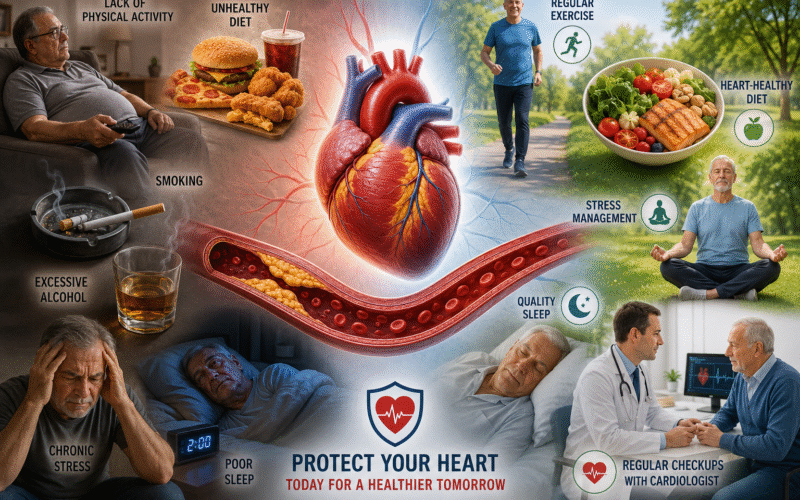
Heart disease remains one of the leading causes of death worldwide, but what many people don’t realize is that it often develops quietly over many years. The unhealthy habits that damage heart health may seem harmless in your daily routine, yet they gradually weaken your heart without causing immediate symptoms. By the time warning signs such as chest pain, shortness of breath, or fatigue appear, significant damage may already have occurred.
For senior citizens especially, understanding these hidden risks is the first step toward protecting the heart. The good news is that making small lifestyle changes today can significantly reduce your risk of heart disease in the future.
Why Heart Damage Often Goes Unnoticed
The heart is a remarkable organ that works continuously to pump blood throughout the body. Because it compensates for damage over time, many cardiovascular problems develop silently. High blood pressure, clogged arteries, and elevated cholesterol levels can progress for years without obvious symptoms.
This is why regular health checkups and healthy lifestyle choices are essential, particularly after the age of 60.
1. Sitting for Long Hours
One of the most common unhealthy habits that damage heart health is spending too much time sitting.
Whether you’re watching television, reading, or using a computer, prolonged sitting slows blood circulation and increases the risk of obesity, diabetes, and heart disease.
Why Is Sitting Harmful?
- Reduces blood circulation
- Raises blood pressure
- Promotes weight gain
- Increases cholesterol levels
- Weakens heart function over time
What You Can Do
- Walk for 5–10 minutes every hour.
- Stretch regularly.
- Include light physical activity in your daily routine.
2. Eating Too Much Processed Food
Many packaged foods contain excessive amounts of salt, sugar, unhealthy fats, and preservatives.
Over time, these foods contribute to high blood pressure, clogged arteries, and increased cholesterol levels.
Foods to Limit
- Processed meats
- Chips
- Fast food
- Sugary drinks
- Packaged snacks
- Frozen ready meals
Heart-Healthy Alternatives
- Fresh fruits
- Vegetables
- Whole grains
- Nuts
- Fish
- Olive oil
3. Ignoring High Blood Pressure
High blood pressure is often called the “silent killer” because it rarely causes symptoms until serious complications occur.
Why Does It Matter?
Persistent high blood pressure forces the heart to work harder, increasing the risk of:
- Heart attack
- Stroke
- Heart failure
- Kidney disease
Regular blood pressure monitoring is especially important for older adults.
4. Smoking and Tobacco Use
Smoking damages blood vessels almost immediately.
It reduces oxygen supply to the heart and encourages plaque buildup inside arteries.
Health Risks
- Coronary artery disease
- Stroke
- Irregular heartbeat
- Heart attack
Quitting smoking is one of the best decisions you can make for your heart.
5. Drinking Too Much Alcohol
While moderate alcohol intake may be acceptable for some individuals, excessive drinking significantly increases cardiovascular risks.
Heavy alcohol consumption may lead to:
- High blood pressure
- Irregular heartbeat
- Heart muscle damage
- Increased triglycerides
6. Poor Sleep Habits
Many seniors underestimate the importance of quality sleep.
Sleeping fewer than seven hours consistently can increase inflammation and blood pressure.
How Better Sleep Protects Your Heart
- Stabilizes blood pressure
- Supports healthy metabolism
- Reduces stress hormones
- Helps regulate heart rhythm
Aim for 7–8 hours of restful sleep each night.
7. Chronic Stress
Long-term stress affects both mental and physical health.
Stress hormones such as cortisol can contribute to:
- High blood pressure
- Weight gain
- Poor sleep
- Increased inflammation
Healthy Ways to Manage Stress
- Daily walks
- Meditation
- Deep breathing
- Gardening
- Spending time with family
- Reading books
8. Skipping Regular Exercise
Physical inactivity weakens the heart muscle over time.
Even simple activities like walking can dramatically improve cardiovascular health.
Recommended Activities
- Brisk walking
- Swimming
- Cycling
- Yoga
- Light strength training
- Stretching exercises
Always consult your healthcare provider before starting a new exercise routine.
9. Ignoring Diabetes and Cholesterol
Uncontrolled diabetes and high cholesterol gradually damage blood vessels.
Regular blood tests help detect these conditions before they cause severe complications.
Early treatment significantly reduces heart disease risk.
10. Delaying Regular Heart Checkups
Many people visit a doctor only after experiencing symptoms.
However, preventive screenings can detect heart problems years before noticeable symptoms develop.
Important Heart Screenings
- Blood pressure
- Cholesterol
- Blood sugar
- ECG
- Echocardiogram (when recommended)
- Stress test (if advised)
Routine checkups become increasingly important with age.
What Are the Silent Signs of Heart Disease?
Can fatigue be a warning sign?
Yes. Persistent fatigue, especially during everyday activities, may indicate reduced heart function.
Is shortness of breath always related to the lungs?
Not necessarily. It may be an early symptom of heart disease, particularly if it occurs during mild activity.
Can swelling in the feet indicate heart problems?
Yes. Swollen ankles or feet may suggest the heart is not pumping blood efficiently.
Should seniors get regular heart screenings?
Absolutely. Preventive screening helps identify risk factors before they develop into serious heart conditions.
Tips for Maintaining a Healthy Heart
- Eat a balanced diet rich in fruits and vegetables.
- Exercise for at least 150 minutes each week.
- Maintain a healthy weight.
- Stop smoking.
- Limit alcohol consumption.
- Sleep well every night.
- Manage stress effectively.
- Monitor blood pressure, cholesterol, and blood sugar.
- Stay hydrated.
- Visit your healthcare provider for regular heart checkups.
When Should You See a Cardiologist?
If you experience persistent chest discomfort, shortness of breath, dizziness, irregular heartbeat, swelling in the legs, or have risk factors such as diabetes, high blood pressure, or a family history of heart disease, don’t wait for symptoms to worsen. Early evaluation by a qualified cardiologist can help identify potential problems before they become life-threatening.
Regular heart screenings are especially valuable for senior citizens, as many cardiovascular conditions progress silently. Preventive care, timely diagnosis, and personalized treatment can make a significant difference in maintaining long-term heart health.
Conclusion
The unhealthy habits that damage heart health often seem insignificant when viewed individually, but together they can gradually increase the risk of serious cardiovascular disease. Because heart damage frequently develops without noticeable symptoms, prevention is far more effective than treatment after complications arise.
By adopting healthier daily habits, staying physically active, eating nutritious foods, managing stress, and scheduling regular medical checkups, you can protect your heart and enjoy a healthier, more active life for years to come.
Leave a Reply