
Every year as the temperature drops, hospitals across Haryana and NCR see a steady rise in patients suffering from colds, cough, flu, breathing problems, joint pain, and seasonal infections. Winter may feel pleasant, but for your health it can quietly become a risky season. At Noble Hospital Kundli, doctors treat hundreds of patients each winter who are surprised at how quickly small symptoms turn into serious illness.
Understanding why winter weakens the body and how you can protect yourself can make the difference between enjoying the season and spending it visiting a hospital in Sonipat.
Why Does Winter Make People Fall Sick More Often
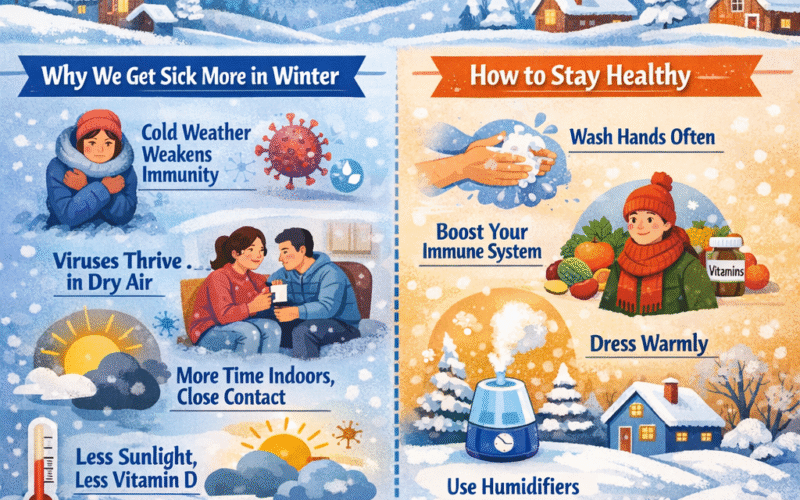
Cold weather affects the human body in multiple ways. The immune system becomes less efficient, blood circulation slows, and people spend more time indoors where viruses spread easily. According to specialists at Noble Hospital Kundli, the winter environment creates perfect conditions for infections to grow and spread.
One major reason is reduced immunity. In winter, people get less sunlight which lowers vitamin D levels. Vitamin D plays a key role in immune defense. Low levels weaken your body’s ability to fight viruses and bacteria. Doctors at Noble Hospital Kundli frequently find vitamin D deficiency in winter patients suffering from repeated infections.
Another reason is dry air. Cold air outside and heated air indoors both reduce moisture in the nose and throat. Dry nasal passages lose their natural protective layer, making it easier for germs to enter the body. This is why patients visiting a hospital in Sonipat often complain of sore throat, sinus issues, and persistent cough during winter.
Winter also encourages closer contact. Families stay indoors, schools remain crowded, and ventilation decreases. Viruses thrive in these closed environments. Many patients at Noble Hospital Kundli catch infections simply from spending time in poorly ventilated rooms.
Cold weather tightens blood vessels, reducing circulation to the nose and lungs. This limits the movement of infection-fighting white blood cells, weakening the body’s defense further. That is why chest infections, pneumonia, and asthma attacks rise sharply during winter visits at Noble Hospital Kundli and every leading hospital in Sonipat.
Common Winter Illnesses Seen at Noble Hospital Kundli
Doctors at Noble Hospital Kundli report a predictable pattern of illnesses each winter. These include common cold, influenza, bronchitis, pneumonia, sinus infections, asthma flare-ups, joint pain, skin dryness, and seasonal fever. Children, elderly people, and those with chronic diseases suffer the most.
Respiratory infections dominate winter patient records at Noble Hospital Kundli. Cold viruses multiply faster in low temperatures and survive longer in dry air. Patients often ignore early symptoms, leading to complications that require treatment at a hospital in Sonipat.
Joint pain and arthritis worsen because cold stiffens muscles and reduces lubrication in joints. Many elderly patients seek relief from joint stiffness at Noble Hospital Kundli during winter months.
Skin conditions such as eczema, dryness, cracking, and rashes also increase. Dermatology specialists at Noble Hospital Kundli see a surge in patients with winter skin problems every year.
How to Stay Protected During Winter
The good news is that winter illnesses are largely preventable. Doctors at Noble Hospital Kundli recommend a combination of lifestyle habits, nutrition, hygiene, and timely medical care to stay healthy throughout the season.
First, strengthen your immunity. Eat warm, freshly cooked meals rich in fruits, vegetables, nuts, seeds, and proteins. Include vitamin C sources like oranges, guava, and lemons. Add zinc-rich foods like pumpkin seeds, almonds, and chickpeas. Many patients visiting a hospital in Sonipat recover faster when their nutrition improves.
Second, maintain proper hydration. People drink less water in winter because they do not feel thirsty. This leads to dehydration, thickened mucus, and weaker immunity. Doctors at Noble Hospital Kundli advise drinking warm water, herbal teas, and soups regularly.
Third, get adequate sunlight. Step outside daily between late morning and afternoon for natural vitamin D. Patients with regular sunlight exposure experience fewer infections according to medical staff at Noble Hospital Kundli.
Fourth, practice good hygiene. Wash hands frequently, avoid touching your face, cover your mouth while coughing, and clean frequently touched surfaces. These simple habits significantly reduce infection spread, as observed by healthcare teams at Noble Hospital Kundli.
Fifth, stay active even in cold weather. Light exercise boosts circulation and immunity. Patients who maintain physical activity have fewer winter complaints at Noble Hospital Kundli.
Sixth, protect your body from cold exposure. Wear layered clothing, cover your head, neck, and hands, and avoid sudden temperature changes. This prevents cold stress and reduces vulnerability to infection, a key recommendation at every major hospital in Sonipat.
Seventh, manage chronic conditions carefully. People with diabetes, heart disease, asthma, and arthritis require extra care in winter. Regular checkups at Noble Hospital Kundli help prevent winter complications before they become serious.
When to Seek Medical Help
Not every winter illness needs hospital care, but certain symptoms should never be ignored. Doctors at Noble Hospital Kundli advise immediate medical consultation if you experience persistent fever, difficulty breathing, chest pain, severe cough, dizziness, dehydration, or weakness lasting more than three days.
Children and elderly patients should be monitored closely. What seems like a simple cold can quickly become pneumonia or bronchitis. Early treatment at Noble Hospital Kundli often prevents hospital admission and speeds recovery.
Role of Preventive Healthcare at Noble Hospital Kundli
Preventive healthcare becomes especially important during winter. At Noble Hospital Kundli, doctors focus on early diagnosis, routine health checkups, vaccination guidance, and lifestyle counseling. Patients who follow preventive advice make fewer emergency visits to a hospital in Sonipat during winter.
Vaccines for flu and pneumonia, regular blood tests, vitamin assessments, and chronic disease monitoring play a major role in winter health protection. Families that consult Noble Hospital Kundli before winter begins experience fewer serious illnesses during the season.
Final Thoughts
Winter does not have to be a season of sickness. With the right habits, timely medical care, and expert guidance, you can stay healthy and enjoy the cooler months with confidence. The team at Noble Hospital Kundli remains committed to helping families stay safe, strong, and protected throughout winter.
If you or your loved ones experience winter-related health concerns, do not delay seeking professional care at a trusted hospital in Sonipat. Early attention saves time, money, and lives, and keeps your winter season peaceful and illness-free.
Connect With Noble Hospital Kundli
Your trusted partner for complete winter healthcare services in Sonipat and Kundli.
📍 TDI City Club, Kundli, Sonipat – 131001
📞 +91 8397003030 | +91 8397004040
🌐 www.noblehospitalkundli.com
✅ Stay safe this winter — consult the experts at Noble Hospital Kundli, the most reliable hospital in Sonipat for seasonal health care.
Leave a Reply