
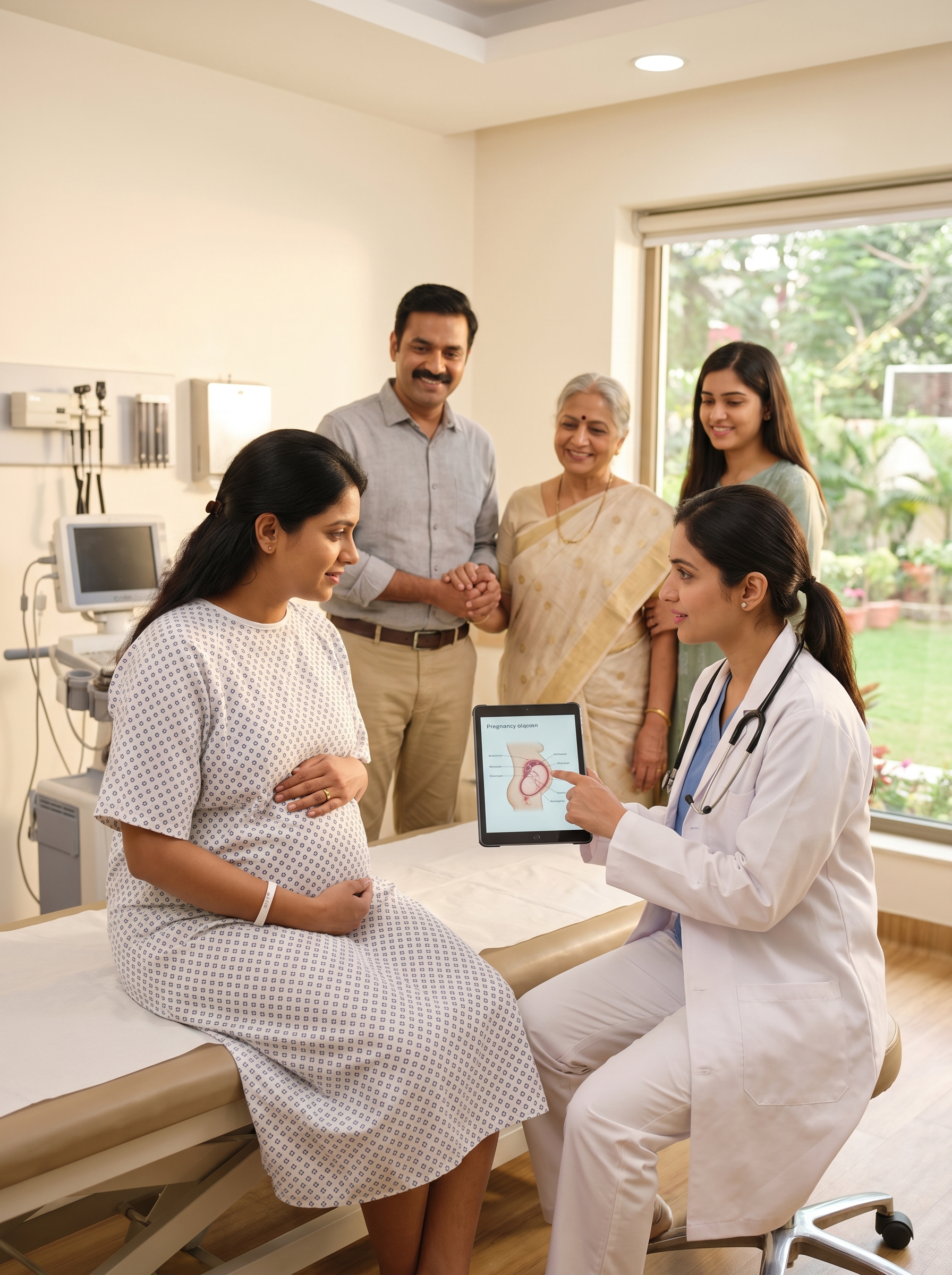
Pregnancy is a critical phase that requires consistent care, awareness, and timely medical attention. Following the right pregnancy precautions can significantly reduce risks and ensure both maternal and fetal well-being. For families, understanding these precautions is equally important, as support systems play a key role in a safe pregnancy journey.
This guide outlines medically recommended, practical, and India-relevant pregnancy care tips to help expectant mothers avoid complications and maintain optimal health.
Why Pregnancy Precautions Are Essential for Maternal Health
Pregnancy brings physiological and hormonal changes that increase vulnerability to complications such as anemia, gestational diabetes, high blood pressure, and infections.
Adhering to proper maternal health precautions helps:
- Detect risks early
- Support fetal development
- Reduce chances of premature delivery
- Ensure safer childbirth outcomes
Regular consultation with a qualified gynecologist remains the foundation of safe pregnancy care.
Key Pregnancy Precautions Every Family Should Follow
Maintain Regular Antenatal Checkups
Routine medical checkups are non-negotiable.
They help monitor:
- Baby’s growth
- Mother’s vital health parameters
- Early signs of complications
Safe pregnancy tip: Never skip scheduled visits, even if everything feels normal.
Follow a Balanced and Nutrient-Rich Diet
Nutrition directly impacts fetal development.
Include:
- Iron-rich foods (green vegetables, jaggery, lentils)
- Calcium sources (milk, curd, paneer)
- Protein (eggs, pulses, lean meat)
Avoid:
- Street food with hygiene risks
- Excess caffeine
- Raw or undercooked foods
Proper diet is one of the most important pregnancy do’s and don’ts.
Stay Physically Active (As Advised)
Light physical activity improves circulation and reduces stress.
Recommended:
- Walking
- Prenatal yoga (under supervision)
Avoid:
- Heavy lifting
- High-impact workouts
Always consult a doctor before starting any activity.
Take Prescribed Supplements Regularly
Doctors typically recommend:
- Folic acid
- Iron
- Calcium
Skipping supplements can lead to deficiencies and complications.
This is a critical part of pregnancy care tips often overlooked.
Avoid Self-Medication
Many common medicines can harm fetal development.
Strict precaution:
- Do not take any medicine without medical advice
- Inform your doctor about existing medications
Monitor Weight Gain
Both excessive and insufficient weight gain can create risks.
Healthy weight management helps:
- Prevent gestational diabetes
- Reduce delivery complications
Ensure Proper Rest and Stress Management
Adequate sleep supports hormonal balance and fetal growth.
Helpful practices:
- Maintain a sleep routine
- Avoid excessive screen time
- Practice relaxation techniques
Family support is essential in reducing stress levels.
Stay Hydrated and Maintain Hygiene
Dehydration and infections are common concerns.
Precautions include:
- Drinking clean, safe water
- Maintaining personal hygiene
- Avoiding crowded or unhygienic environments
Pregnancy Do’s and Don’ts for Safer Outcomes
Do’s
- Follow all medical advice strictly
- Get recommended vaccinations
- Maintain a clean and healthy lifestyle
- Stay informed about warning signs
Don’ts
- Avoid alcohol and smoking exposure
- Do not ignore unusual symptoms
- Avoid heavy travel without consultation
- Never skip medical appointments
Warning Signs You Should Never Ignore
Immediate medical attention is required if you notice:
- Severe abdominal pain
- Vaginal bleeding
- Persistent vomiting
- Reduced fetal movement
- High fever or swelling
Early intervention can prevent serious complications.
How Families Can Support a Safe Pregnancy
Pregnancy care is a shared responsibility.
Families should:
- Encourage regular checkups
- Help maintain a healthy diet
- Reduce physical and emotional stress
- Ensure timely medical consultation
A supportive environment significantly improves maternal health outcomes.
When to Consult a Doctor
You should consult a gynecologist:
- As soon as pregnancy is confirmed
- For regular monthly checkups
- If any unusual symptoms appear
Timely medical guidance ensures safe decision-making throughout pregnancy.
Conclusion
Following the right pregnancy precautions is essential for preventing complications and ensuring a safe and healthy pregnancy journey. With proper medical care, balanced nutrition, and family support, most pregnancy-related risks can be effectively managed.
For the best outcomes, always rely on qualified healthcare professionals and avoid delays in seeking medical advice.
Frequently Asked Questions (FAQs)
What are the most important pregnancy precautions to follow?
Regular checkups, proper nutrition, avoiding harmful substances, and following medical advice are the most important precautions.
Can I exercise during pregnancy safely?
Yes, light exercises like walking and prenatal yoga are safe if approved by your doctor.
What foods should be avoided during pregnancy?
Avoid raw foods, unhygienic street food, excessive caffeine, and processed items.
How often should I visit a doctor during pregnancy?
Typically once a month in early stages, increasing frequency in later months as advised by your doctor.
When should I seek immediate medical help?
If you experience bleeding, severe pain, reduced baby movement, or high fever, consult a doctor immediately.
Leave a Reply