
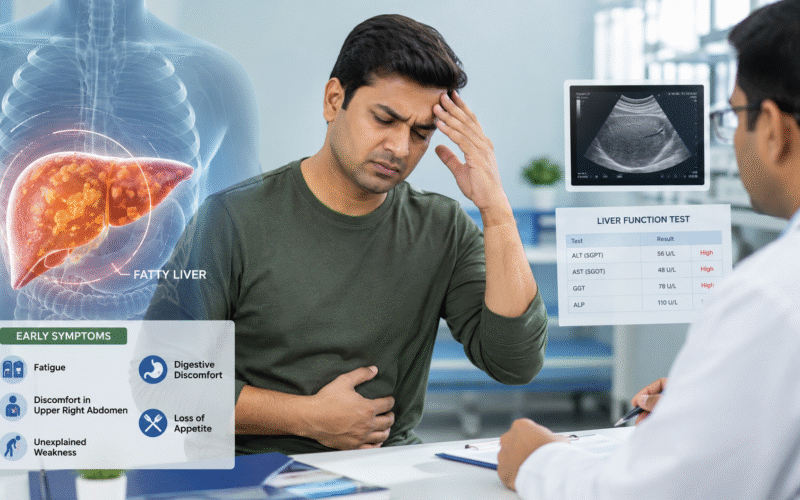
Fatty liver is a common condition in which excess fat builds up in the liver. It can develop gradually and may not cause obvious symptoms in the early stages. This is why many people discover they have fatty liver during routine blood tests or an abdominal ultrasound.
The good news is that early detection and healthy lifestyle changes can help prevent the condition from progressing. Understanding the early warning signs can encourage timely medical evaluation.
What Is Fatty Liver?
A healthy liver contains a small amount of fat. When excess fat accumulates in the liver, it can lead to fatty liver disease. It may be associated with factors such as being overweight, diabetes, high cholesterol or triglycerides, poor diet, physical inactivity, and alcohol consumption.
Fatty liver can range from a mild condition to more serious liver inflammation and damage. Not everyone with fatty liver will experience symptoms.
Early Symptoms of Fatty Liver
1. Persistent Tiredness
Feeling unusually tired or lacking energy, even after adequate rest, can sometimes occur with fatty liver. However, fatigue is common with many other conditions, so it should not be considered a specific sign on its own.
2. Discomfort in the Upper Right Abdomen
Some people may experience mild discomfort, pressure, or a feeling of fullness in the upper-right side of the abdomen, where the liver is located.
Persistent or unexplained abdominal discomfort should be evaluated by a healthcare professional.
3. Unexplained Weakness
Some individuals may notice reduced energy or general weakness. If this continues without an obvious reason, it is worth discussing with a doctor.
4. Digestive Discomfort
Bloating, reduced appetite, nausea, or a feeling of fullness may occur in some people. These symptoms are not unique to fatty liver and can have many possible causes.
5. Difficulty Managing Weight
Fatty liver is closely associated with metabolic health. People who are overweight or have conditions such as insulin resistance, diabetes, high cholesterol, or high triglycerides may have a higher risk.
6. Changes in Liver-Related Blood Tests
Fatty liver may sometimes be suspected when liver enzymes such as ALT or AST are elevated during routine blood testing. Importantly, liver enzymes can also be normal in people with fatty liver, so blood tests alone cannot always confirm or rule it out.
Why Early Detection Matters
Fatty liver may remain silent for years. In some people, continued liver injury can lead to inflammation, fibrosis, cirrhosis, and other complications.
Early evaluation can help identify risk factors and determine whether further testing is needed. Depending on the individual’s situation, a doctor may recommend blood tests, an abdominal ultrasound, FibroScan or other liver assessment methods.
Who Should Be More Careful?
You may have a higher risk of fatty liver if you have:
- Overweight or obesity
- Type 2 diabetes or insulin resistance
- High cholesterol or triglycerides
- High blood pressure
- A sedentary lifestyle
- A diet high in processed foods, added sugars, or unhealthy fats
- Regular or excessive alcohol consumption
- A family history of liver disease
Having one or more risk factors does not necessarily mean you have fatty liver, but it may be a reason to discuss liver health with your doctor.
How Can You Protect Your Liver?
Simple lifestyle changes can support better liver health:
- Maintain a healthy weight and aim for gradual weight loss if recommended.
- Stay physically active and exercise regularly.
- Choose more vegetables, fruits, whole grains, legumes, and other nutrient-rich foods.
- Reduce sugary drinks, highly processed foods, and excessive saturated fats.
- Avoid excessive alcohol consumption.
- Keep diabetes, cholesterol, and blood pressure under control.
- Follow your doctor’s advice and recommended health screenings.
When Should You See a Doctor?
If you have persistent fatigue, abdominal discomfort, unexplained changes in your health, or multiple risk factors for fatty liver, consider speaking with a healthcare professional.
Seek prompt medical attention if you develop symptoms such as yellowing of the skin or eyes, significant abdominal swelling, vomiting blood, black stools, severe abdominal pain, confusion, or unusual drowsiness, as these can indicate a more serious problem.
Takeaway
Fatty liver often develops without clear symptoms, making awareness and preventive health checks important. Early signs such as persistent fatigue or upper abdominal discomfort should not be ignored, particularly if you have metabolic risk factors.
At Noble Hospital, timely consultation and appropriate diagnostic evaluation can help assess liver health and guide you toward suitable care. If you are concerned about fatty liver or have risk factors, speak with a qualified healthcare professional rather than waiting for symptoms to become severe.
Noble Hospital — Supporting You in Every Step of Your Healthcare Journey.
Disclaimer: This article is intended for general health awareness and does not replace professional medical advice, diagnosis, or treatment.
Leave a Reply